Informational

Hyaluronic Acid for Pakistani Skin: Benefits, Usage, and Best Practices

Hyaluronic Acid Benefits & Uses with Skincare Tips - Full Guide

In Pakistan’s hot, humid summers and dry winter months, especially in cities like Karachi, Lahore, and Islamabad, dehydrated skin, tightness, dullness, and early fine lines are extremely common. Air conditioning, pollution, sun exposure, and frequent cleansing further strip moisture from the skin.

This is where Hyaluronic Acid becomes essential!

Hyaluronic acid is a skin humectant that attracts and binds water to the outer skin layers, improving hydration, plumpness, and barrier function.

Whether your skin is oily, dry, sensitive, or acne-prone, hyaluronic acid helps maintain moisture balance without clogging pores or causing irritation, making it one of the safest and most versatile skincare ingredients available today.

How Does Hyaluronic Acid Work on the Skin?

Hyaluronic Acid works by supporting the skin’s hydration system at a cellular level. It improves skin function in 3 primary ways:

Attracts and Retains Moisture

Hyaluronic acid can bind up to 1,000 times its weight in water, making it one of the most effective topical humectants. This is especially important for the local climate, where sun exposure and air pollution accelerate water loss from the skin.

Improves Skin Elasticity and Smoothness

Clinical reviews show that topical hyaluronic acid improves surface hydration and can temporarily smooth fine lines by increasing moisture content in the stratum corneum.

Supports the Skin Barrier

Well-hydrated skin maintains a stronger barrier. By preventing transepidermal water loss (TEWL), Hyaluronic Acid helps protect against irritation, sensitivity, and environmental stressors.

These mechanisms make Hyaluronic Acid suitable for daily, long-term use across all skin types.

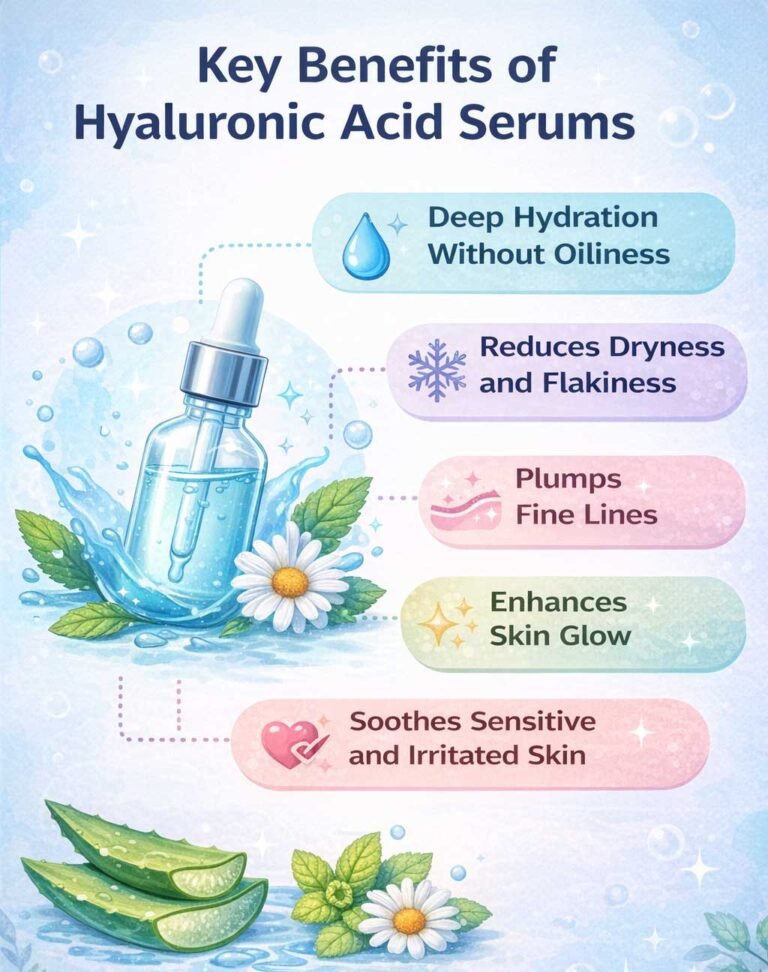
Key Benefits of Hyaluronic Acid Serums

Hyaluronic Acid Serum Benefits on Skin

Hyaluronic Acid is not just about hydration. Its benefits extend to multiple skin concerns common in Pakistan.

Deep Hydration Without Oiliness

Unlike heavy creams, Hyaluronic Acid hydrates the skin without clogging pores, making it ideal for oily and acne-prone skin, especially in humid cities.

Reduces Dryness and Flakiness

For people in colder or drier regions like Islamabad or Quetta, Hyaluronic Acid relieves tightness, rough patches, and visible flaking by restoring water balance.

Plumps Fine Lines

Dehydrated skin exaggerates fine lines. By improving hydration, Hyaluronic Acid visibly smooths fine lines caused by dryness.

Enhances Skin Glow

Well-hydrated skin reflects light better. Regular use improves skin radiance and gives a healthy, fresh appearance.

Soothes Sensitive and Irritated Skin

Hyaluronic Acid has a calming effect and is often recommended by dermatologists for sensitive or compromised skin barriers.

Who Should Use Hyaluronic Acid?

Hyaluronic Acid is suitable for nearly all skin types, but its benefits are most noticeable in the following use cases:

Dehydrated Skin (All Skin Types)

If your skin feels tight, looks dull, or feels dry after cleansing, hyaluronic acid restores water content without adding oil. This applies to both oily and dry skin.

Oily & Acne-Prone Skin

Hyaluronic acid hydrates without clogging pores. It helps balance skin that produces excess oil due to dehydration, a common issue in Pakistan’s humid climate.

Sensitive or Easily Irritated Skin

Because it is non-active, fragrance-free in most formulations, and barrier-supportive, hyaluronic acid is suitable for sensitive, reactive, or post-procedure skin.

Teenagers & Skincare Beginners

Hyaluronic acid is safe for daily use and does not interfere with the skin barrier, making it ideal for teenagers or those starting a skincare routine.

Aging or Mature Skin

As natural hyaluronic acid levels decline with age, topical use helps improve skin hydration, elasticity, and the appearance of fine lines caused by dryness.

Users of Strong Actives (Retinol, Vitamin C, Acids)

Hyaluronic acid acts as a hydration buffer, reducing dryness and irritation when used alongside active ingredients.

Why Does Molecular Weight Matter in Hyaluronic Acid Serums?

Not all Hyaluronic Acid works the same way. The molecular weight determines how it behaves on the skin.

Hyaluronic Acid Type Molecular Weight Range Common Concentration Range How it Works Best For Additional Details
High Molecular Weight (HMW) > 1000 kDa 0.1% – 1% Forms a protective, hydrating film on the skin surface and reduces transepidermal water loss (TEWL) Sensitive skin, instant hydration, barrier support Does not penetrate deeply; excellent for calming irritation
Medium Molecular Weight (MMW) 100 – 1,000 kDa 0.1% – 1% Provides balanced hydration at the surface and upper skin layers Normal to dry skin, daily hydration Often used alongside HMW and LMW for layered hydration
Low Molecular Weight (LMW) < 100 kDa 0.01% – 0.5% Supports hydration beyond the surface and improves skin flexibility Dehydrated and mature skin Should be well-formulated; used in lower amounts to avoid irritation
Sodium Hyaluronate (Salt Form of HA) Lower molecular weight than pure Hyaluronic Acid 0.1% – 1% Delivers lightweight hydration with better skin feel and absorption Oily, acne-prone skin Most common INCI name in serums; less sticky texture
Multi-Molecular Weight Hyaluronic Acid Blend Mixed (HMW + MMW + LMW) 0.1% – 2% (combined) Hydrates multiple skin layers simultaneously All skin types Most effective and modern formulation approach

How to Choose the Right Hyaluronic Acid Type

Use this checklist when buying a hyaluronic acid serum:

  • Look for 0.1% to 1% sodium hyaluronate
  • Prefer multi-molecular weight formulas
  • Choose water-based or gel textures for oily skin
  • Check INCI for “Sodium Hyaluronate” or “Hyaluronic Acid”
  • Avoid heavy fragrances if you have sensitive skin
  • Airless pumps or sealed droppers are more stable

Few Recommended Products

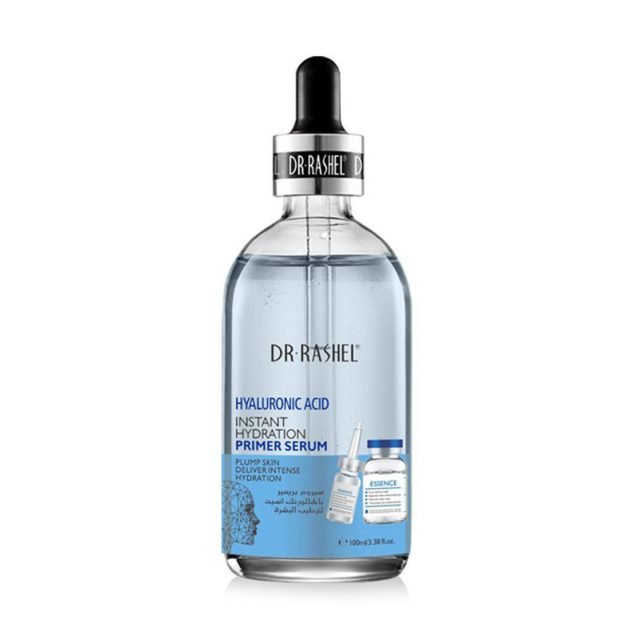
Dr Rashel Hyaluronic Acid Primer Serum

 1,250
Make your skin feel amazing by reducing the large pores and fighting imperfections. Get a brightened and plumping skin after first use.
Concern Benefit
Dry or oily skin Keeps the skin moisturized for long hours
Large pores or acne scars Reduces the appearance of large pores by blurring the scars
Dull skin Makes the skin bright and toned
Saggy skin It firms the skin by reducing the wrinkles, puffiness and fine lines

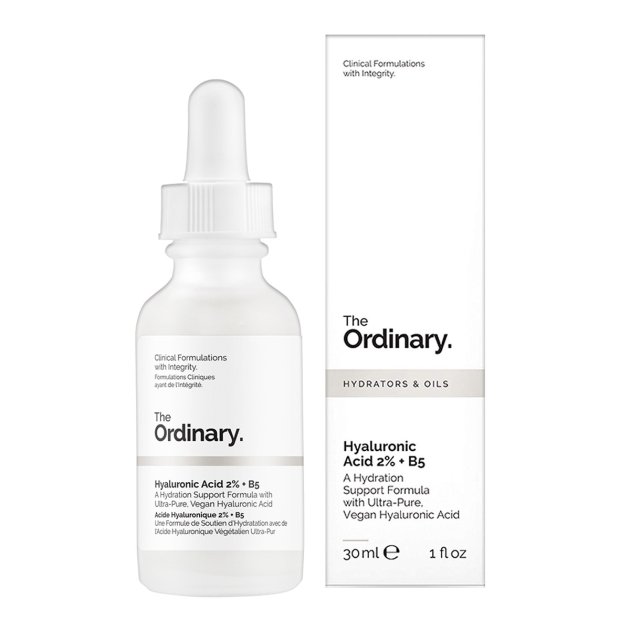
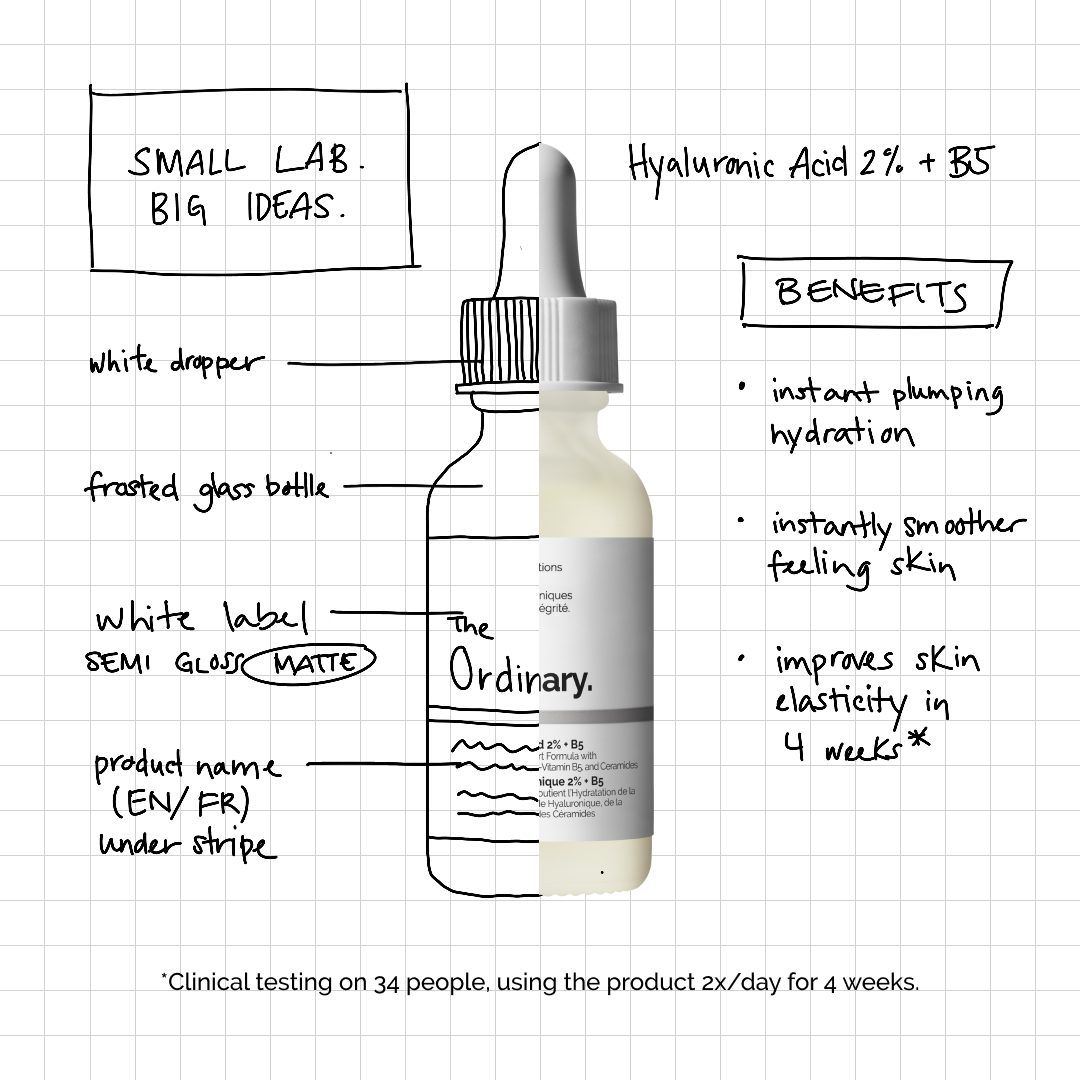
The Ordinary Hyaluronic Acid Serum

(3)
 3,750
Targets: Dehydrated skin, dry patches, weakened skin barrier, loss of suppleness, rough texture, dullness

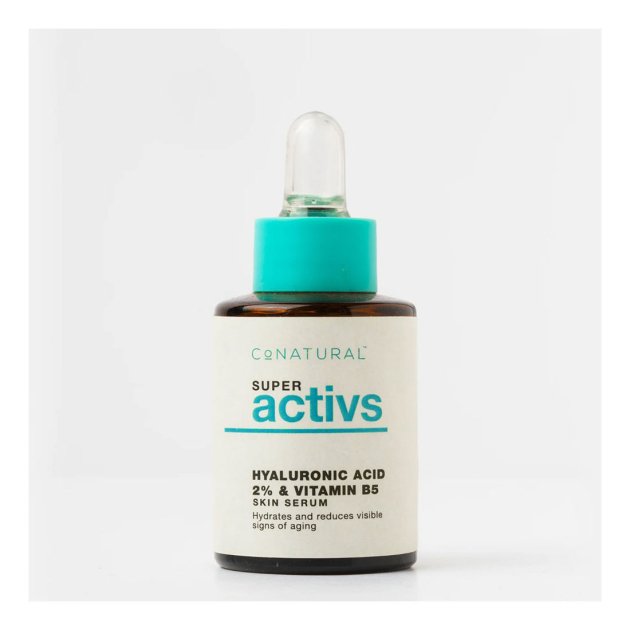
CoNatural Hyaluronic Acid Serum

 1,499
  • Dark spot corrector and minimizes clogged pores
  • Blemish-free skin and deeply hydrates for hyperpigmentation and discoloration
  • Improves firmness and plumps skin with hyaluronic acid and Vitamin B5
  • Multi-depth hydration with low and high molecular weight Hyaluronic Acid
  • Effective for targeted treatments, can be used with other Super Activ Serums for separate concerns
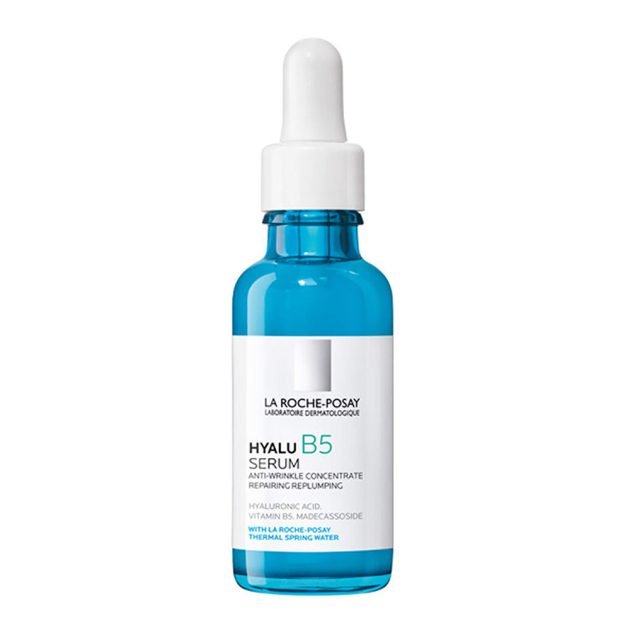
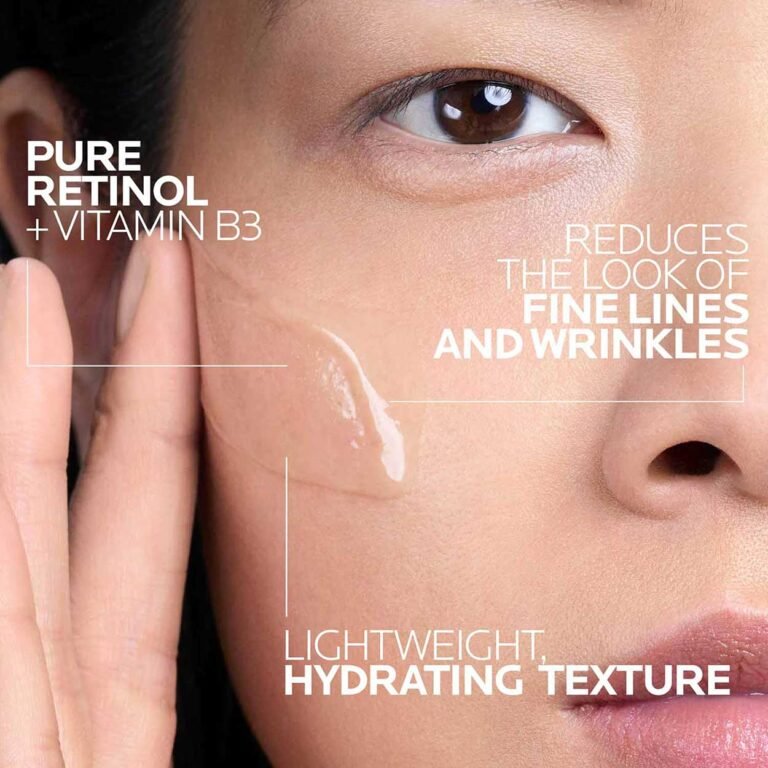
La Roche Posay B5 Hyaluronic Acid Serum

(1)
Original price was: ₨ 9,000.Current price is: ₨ 7,500.

Targets: Dehydrated skin, fine lines, loss of volume, reduced elasticity, sensitive skin, moisture barrier repair, dryness, dullness

How to Use Hyaluronic Acid Serum Effectively?

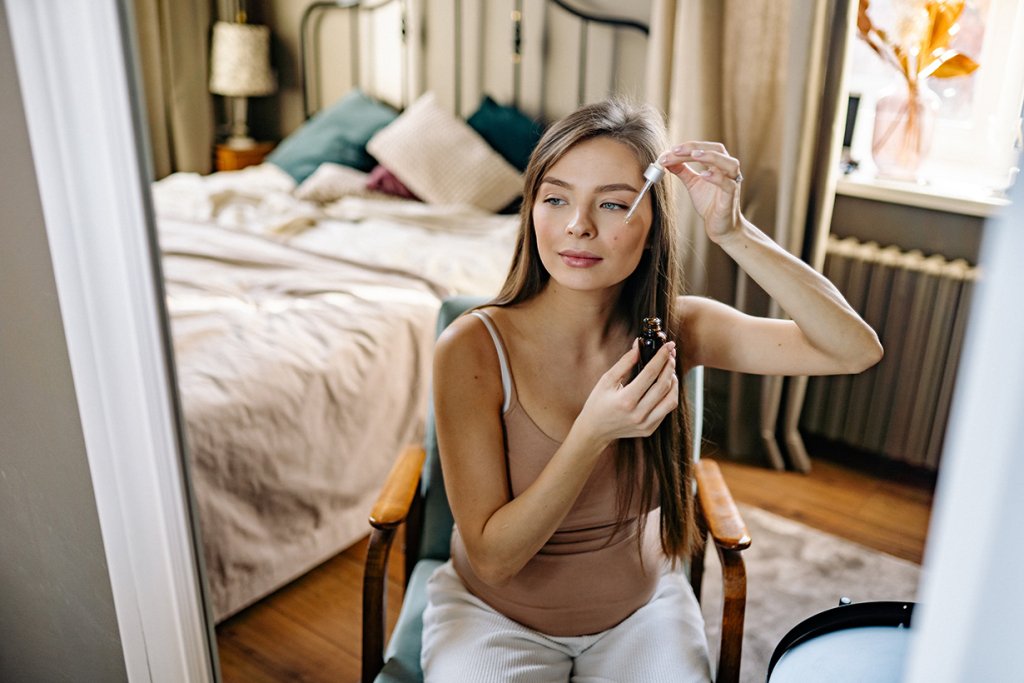
Step 1: Apply 2 to 3 drops on slightly damp skin

Step 2: Always apply moisturizer after applying the serum to seal hydration

When Should You Apply It?

Hyaluronic Acid can be used morning and night.

  • Morning: Prepares skin for the day and prevents moisture loss
  • Night: Supports overnight hydration and skin repair

Where Does It Fit in Your Routine?

  1. Cleanser
  2. Toner (optional)
  3. Hyaluronic Acid Serum (on damp skin)
  4. Moisturizer
  5. Sunscreen (AM only)

Pro Tip: Always apply Hyaluronic Acid on slightly damp skin to help it bind water more effectively.

What Ingredients Pair Well With Hyaluronic Acid?

Hyaluronic Acid works well with most skincare ingredients.

Best Ingredients to Combine With:

  • Niacinamide: Strengthens the barrier and balances oil
  • Vitamin C: Improves glow and antioxidant protection
  • Ceramides: Lock in moisture
  • Retinol: Reduces dryness and irritation caused by retinoids

To learn more about the many benefits of niacinamide, vitamin C, and retinol, check out our respective guides. 

What to Be Careful With:

Hyaluronic Acid itself is safe, but always seal it with a moisturizer to prevent water loss, especially in air-conditioned environments.

Tips for Using Hyaluronic Acid

  • In humid cities, use a lightweight gel moisturizer after serum
  • In dry climates, layer with a richer cream
  • Always use sunscreen during the day to prevent dehydration
  • Avoid applying to completely dry skin

Hyaluronic Acid vs Glycerin vs Ceramides: What’s the Difference?

While all three ingredients support skin hydration, they work in different ways and serve distinct roles in skincare formulations.

IngredientPrimary FunctionHow it WorksBest For
Hyaluronic AcidHumectantBinds water to the skin, improving hydration and plumpnessDehydrated, oily, sensitive, and aging skin
GlycerinHumectantDraws moisture from the environmentDry skin, compromised barriers, basic moisturizing
CeramidesBarrier LipidStrengthen the skin barrier and prevent moisture lossDry, sensitive, eczema-prone, or damaged skin

Hyaluronic Acid FAQs

Yes. Hyaluronic acid is safe for sensitive and acne-prone skin. It is non-comedogenic, fragrance-free in most formulas, and does not disrupt the skin barrier. Because it hydrates without oil, it helps reduce tightness and irritation often seen in sensitive or inflamed skin types.
Hydration results are immediate. Most people notice softer, more comfortable skin right after application. Visible improvements in skin plumpness and texture typically appear within 1 to 2 weeks of consistent daily use.
Yes. Hyaluronic acid is compatible with both vitamin C and retinol.
  • Morning: Cleanser → Vitamin C → Hyaluronic Acid → Moisturizer → Sunscreen
  • Night: Cleanser → Retinol → Hyaluronic Acid → Moisturizer
Hyaluronic acid helps reduce dryness and irritation caused by stronger actives, making routines easier to tolerate.
Most effective topical formulas contain 0.1% to 1% sodium hyaluronate. This range provides strong hydration without feeling sticky or heavy. Higher percentages are not always better and depend on the overall formulation and molecular weight blend.
No. Hyaluronic acid does not cause breakouts on its own. It is non-comedogenic and suitable for acne-prone skin. However, poorly formulated products with heavy occlusive carriers or comedogenic additives may contribute to congestion. Always seal HA with a lightweight moisturizer suitable for your skin type.
Final Thoughts: Why Hyaluronic Should Be A Part of Your Skincare Routine

If your skin feels tight, dull, or dehydrated, hyaluronic acid is one of the most reliable ingredients you can use. It hydrates instantly, supports the skin barrier, works well with other actives, and suits all skin types, from oily and acne-prone to dry and sensitive.

In Pakistan’s challenging climate, where heat, humidity, air conditioning, and pollution constantly disrupt skin balance, hyaluronic acid helps maintain moisture and comfort year-round. Whether you’re building a basic routine or supporting stronger actives like retinol or vitamin C, this ingredient acts as a hydration backbone.

You can shop authentic local and international hyaluronic acid serums directly from Serum.pk, all at the same retail prices as brands and pharmacies, with the lowest delivery charges nationwide.

References
  1. The Hype on Hyaluronic Acid (Harvard Health Publishing)
  2. Why Science Says Hyaluronic Acid Is the Holy Grail to Wrinkle-Free, Youthful Hydration (Healthline)
  3. Clinical Evaluation of Next-generation, Multi-weight Hyaluronic Acid (JCAD)
  4. Hyaluronic Acid and Skin: Its Role in Aging and Wound-Healing Processes (MDPI)
  1. Hyaluronic Acid and Skin: Its Role in Aging and Wound-Healing Processes (PMC)

6. The 8 Best Vitamin C Serums, According to Testing and Dermatologists (Prevention)

author-avatar

About Mahrukh Kureshi

As a content and copywriter, I focus on creating helpful, trustworthy content that actually answers what people are searching for. I don't just write; I find out people's pain points and then carry out proper research to give them the solutions they're looking for. As for all the skincare-related content is concerned, it is written in collaboration with certified dermatologists and reviewed by skincare professionals, so the information is always on-point. With so much misinformation and uncited details online, I bring you content grounded in facts, not guesswork!

Leave a Reply

Your email address will not be published. Required fields are marked *