Salicylic Acid for Acne-Prone Skin: Benefits, Uses, and How to Apply It Correctly
There’s no denying that the climate in Pakistan is hot and humid, especially in Sindh and Punjab. The people living in these provinces face excess oil, clogged pores, blackheads, and recurring acne. Combine it with pollution, sweat, and frequent cleansing, the breakouts get worse, leaving many people stuck in a cycle of active acne and rough skin texture.
This is where Salicylic Acid becomes a game-changer.
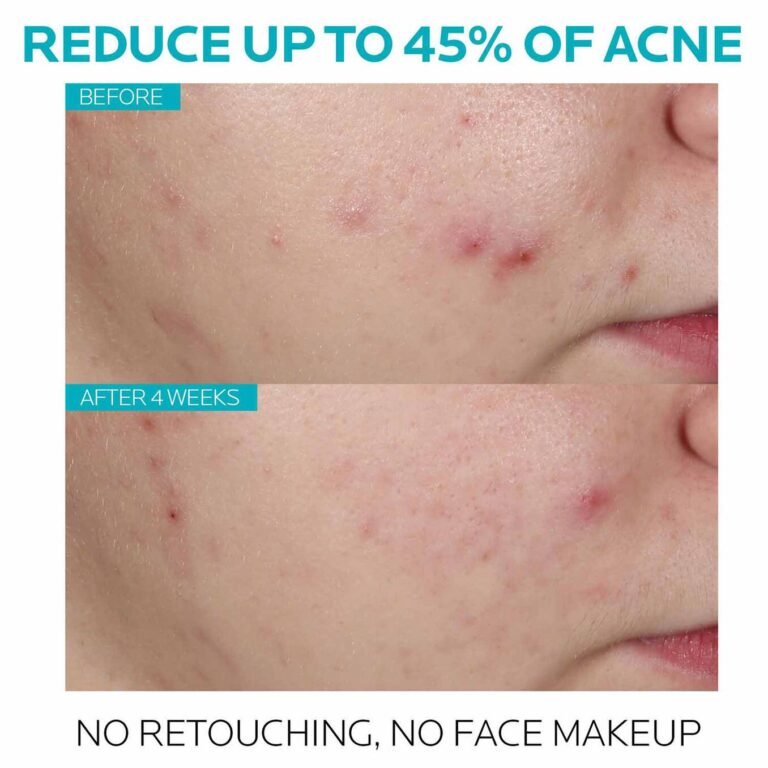
Salicylic acid is one of the most effective ingredients for acne-prone and oily skin because it doesn’t just work on the surface; it goes deep into pores to dissolve oil, remove congestion, and reduce inflammation. When used correctly, it helps clear existing breakouts while preventing new ones from forming.
What Is Salicylic Acid?
Salicylic Acid is a beta-hydroxy acid (BHA) and oil-soluble chemical exfoliant used in skincare to treat acne, unclog pores, and control excess oil.
Derived from willow bark (Salix alba), salicylic acid has a unique oil-soluble structure that allows it to travel inside oil-filled pores. This makes it especially effective for treating blackheads, whiteheads, and inflammatory acne, conditions that are common in oily and acne-prone skin.
Unlike physical scrubs or surface exfoliants, salicylic acid works from within the pore, targeting the root cause of breakouts rather than just treating visible symptoms.
How Salicylic Acid Works on the Skin?
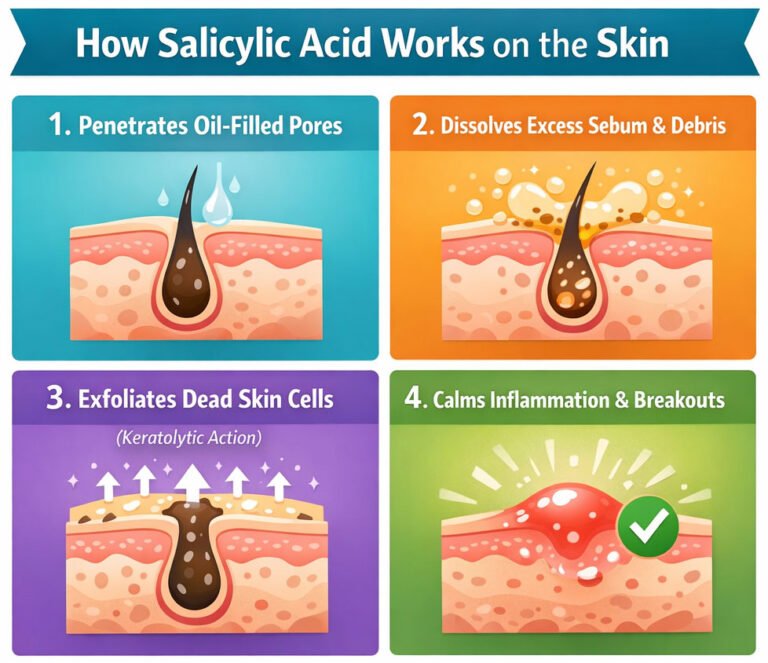
Salicylic acid improves acne-prone skin through 4 key mechanisms:
1. Penetrates Oil-Filled Pores
According to Dr. Hadley King, a board-certified dermatologist, salicylic acid is oil-soluble and can move through sebum and reach deep inside clogged pores where acne starts.
2. Dissolves Sebum and Dead Skin Cells
According to a study by the Cleveland Clinic, Salicylic Acid breaks down excess oil and dead skin buildup (keratolytic action), helping prevent pore blockages that lead to blackheads and whiteheads.
3. Reduces Inflammation and Redness
Salicylic acid has anti-inflammatory properties that calm active breakouts, making it effective for red, painful pimples.
4. Helps Control Acne-Causing Bacteria
It keeps your pores clear and reduces inflammation, helping create an environment that is less friendly to acne-causing bacteria.
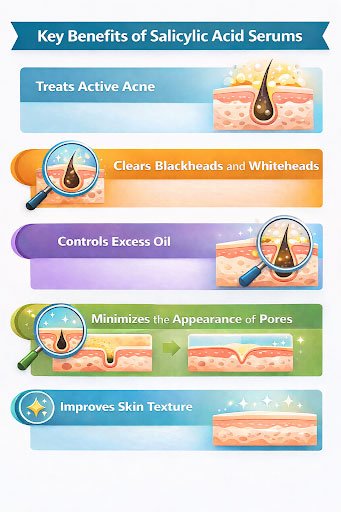
Key Benefits of Salicylic Acid Serums
Salicylic acid is more than just an acne treatment; it’s a long-term skin-clearing ingredient.
Treats Active Acne
It helps reduce pimples, pustules, and inflammatory acne by unclogging pores and calming redness.
NCBI carried out research on 42 participants, who applied salicylic acid twice a day for 21 days. The result showed a 23.81% increase in IGA score, indicating that salicylic acid serums can reduce inflammatory and non-inflammatory acne effectively.
Clears Blackheads and Whiteheads
Its comedolytic action makes it especially effective for non-inflammatory acne, like blackheads and closed comedones.
Controls Excess Oil
Regular use helps regulate sebum production, which is critical for oily skin types common in Pakistan’s climate.
Minimizes the Appearance of Pores
By keeping pores clear, salicylic acid makes them appear smaller and less congested over time.
Improves Skin Texture
Consistent exfoliation leads to smoother, more even skin texture and fewer rough patches.
Who Should Use Salicylic Acid?
Salicylic acid works best for specific skin concerns and types:
Ideal for Oily and Acne-Prone Skin
If you experience frequent breakouts, blackheads, or greasy skin, salicylic acid is one of the most effective ingredients you can use.
Suitable for Combination Skin
It can be applied to oily areas like the T-zone while keeping the rest of the routine balanced.
Use With Caution on Dry or Sensitive Skin
Lower concentrations and reduced frequency are recommended to avoid dryness or irritation.
Helpful for Mild Post-Acne Marks
While not a primary brightening ingredient, salicylic acid can help fade mild post-acne marks by improving cell turnover.
Salicylic Acid Concentration Guide
Salicylic Acid concentration determines exfoliation depth, acne control strength, and irritation risk.
Choosing the correct percentage is essential for achieving results without damaging the skin barrier, especially in Pakistan’s hot, humid climate.
Below is a clinically aligned breakdown of how different concentrations behave on skin.
Low-Concentration Salicylic Acid (0.5% - 1%)
Low-strength Salicylic Acid is designed for daily acne prevention and oil regulation. This concentration gently exfoliates inside pores while maintaining skin barrier stability.
Best Suited For
- Mild acne and early breakouts
- Blackheads and whiteheads
- Oily and combination skin
- Teenagers and first-time acid users
Functional Effects
- Dissolves excess sebum gradually
- Prevents micro-comedone formation
- Reduces congestion without visible peeling
- Low irritation potential
Recommended Usage
- Once daily (evening preferred)
- Leave-on serums, toners, or cleansers
- Always followed by a moisturizer
Christina Korouchtsidi, a certified beautician and aesthetician, suggests her clients to start with low concentrations. They focus on maintenance, prevention, and long-term tolerance, making them ideal for consistent use.
High-Concentration Salicylic Acid (2%)
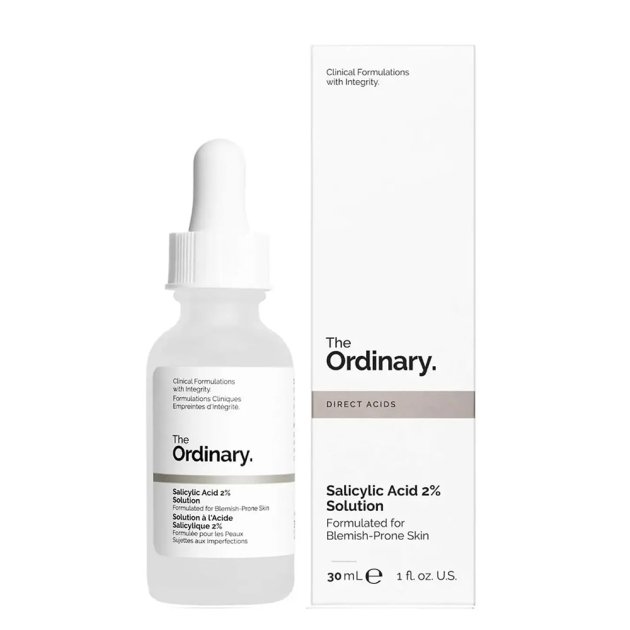
A 2% Salicylic Acid formula provides strong exfoliation that you can buy without a prescription. This concentration goes deep into clogged pores and helps skin cells renew faster, but it may also increase sensitivity.
Best Suited For
- Persistent or moderate acne
- Congested pores and comedonal acne
- Excess oil production
- Experienced acid users
Functional Effects
- Strong keratolytic (exfoliating) action
- Faster pore decongestion
- Visible reduction in active breakouts
Recommended Usage
- 2 to 3 times per week initially
- Night use only
- Mandatory moisturizer layering
- Daily sunscreen the following morning
Overuse at this strength may cause dryness, peeling, or barrier disruption, especially in warm climates.
Professional Salicylic Acid (20% - 30%)
High-strength Salicylic Acid peels are medical-grade treatments. These concentrations are:
- Performed by dermatologists only
- Used for severe acne, texture irregularities, or post-acne marks
- Not suitable for at-home skincare
For most users, a 2% salicylic acid serum offers the best balance between effectiveness and tolerability
Comparison Chart: Low vs High Concentration Salicylic Acid Serums
0.5% - 1% Salicylic Acid | 2% Salicylic Acid | 20% - 30% Salicylic Acid | |
Skin Type | Sensitive, dry, beginner | Oily, acne-prone, experienced | Not for use at home |
Primary Function | Redness, mild dryness, texture | Acne, pores, pigmentation | Controlled chemical peeling |
Irritation Risk | Low | Medium | High |
Usage Frequency | Twice Daily | Once daily, then increase gradually | Occasional clinical sessions |
Sunscreen Requirement | Recommended, but not mandatory | Mandatory | Mandatory post-procedure |
How to Use Salicylic Acid Serum Effectively?
When to Apply
Evening use is generally preferred, especially for leave-on serums.
Correct Order in Your Routine
- Cleanser
- Salicylic Acid Serum
- Moisturizer
- Sunscreen (mandatory in the morning)
Frequency
Start once daily. If your skin tolerates it well, some low-strength formulas can be used twice daily.
What to Pair Salicylic Acid With and What to Avoid
Works Well With
- Niacinamide: Reduces irritation and balances oil
- Hyaluronic Acid: Prevents dryness
- Zinc: Boosts acne control
- Ceramides: Supports the skin barrier
Use Carefully With
- Retinol
- Benzoyl Peroxide
- AHAs (Glycolic, Lactic Acid)
Avoid layering multiple strong exfoliants together unless advised by a dermatologist.
Tips on Using Salicylic Acid Safely and Effectively
Salicylic acid works best when you use it correctly and consistently. To avoid irritation and get better results for acne control, follow these practical tips, especially considering Pakistan’s climate.
1. Start Low and Build Gradually
If you’re new to salicylic acid, begin with a lower concentration or apply it once daily. This allows your skin to adjust and reduces the risk of dryness or irritation.
2. Always Moisturize After Application
Salicylic acid can be drying if left unbuffered. Follow it with a lightweight, non-comedogenic moisturizer to maintain skin balance and protect the barrier.
3. Never Skip Sunscreen
Salicylic acid does not directly make your skin sensitive to sunlight, but exfoliated skin can be more prone to sun damage. Apply a broad-spectrum SPF every morning, even if it’s cloudy.
4. Avoid Over-Exfoliation
Using multiple exfoliating products at the same time can damage the skin barrier. Avoid combining salicylic acid with strong AHAs, scrubs, or peels unless guided by a dermatologist.
5. Use Spot Treatment for Sensitive Areas
If your skin is reactive, apply salicylic acid only to acne-prone areas like the T-zone or active breakouts instead of the entire face.
6. Watch for Early Signs of Overuse
Redness, stinging, excessive peeling, or tightness are signs you need to reduce frequency or strength. Remember that clear skin comes from consistency, not overuse.
7. Be Patient With Results
Salicylic acid works gradually. While oil control may improve quickly, clearer pores and fewer breakouts typically take 4 to 6 weeks of consistent use.
Salicylic Acid FAQs
Is salicylic acid safe for acne-prone skin?
How long does salicylic acid take to work?
Can I use salicylic acid every day?
Does salicylic acid cause purging?
If acne, blackheads, and excess oil are constant concerns, salicylic acid is one of the most reliable ingredients you can add to your routine! Its ability to penetrate pores, dissolve oil, and calm inflammation makes it uniquely effective for acne-prone skin, especially in Pakistan’s climatic conditions.
Whether you’re managing occasional breakouts or persistent acne, choosing the right concentration and using it consistently can lead to clearer, smoother skin over time.
So, if you want to explore authentic salicylic acid serums, check out the local and international products on Serum.pk and shop with confidence!
We guarantee providing you with original products at the lowest delivery charges nationwide.
- Can Salicylic Acid Help Treat Acne? (HealthLine)
- Herbal and Nutritional Supplements for Painful Conditions (Science Direct)
- Everything You Need to Know About Salicylic Acid (Skincare)
- Facial Acids: Know What You Need in Your Skin Care Routine (Cleveland Clinic)
- Clinical Efficacy of a Salicylic Acid–Containing Gel on Acne Management and Skin Barrier Function: A 21‐Day Prospective Study (NCBI)
- Emerging Formulations and Clinical Applications of Topical Salicylic Acid in Acne Management (Biosciences Biotechnology Research Asia)
- The Ideal Salicylic Acid Concentration for Your Skin Type and Goals (Korean Cosmetics Cyprus)
About Mahrukh Kureshi
As a content and copywriter, I focus on creating helpful, trustworthy content that actually answers what people are searching for. I don't just write; I find out people's pain points and then carry out proper research to give them the solutions they're looking for. As for all the skincare-related content is concerned, it is written in collaboration with certified dermatologists and reviewed by skincare professionals, so the information is always on-point. With so much misinformation and uncited details online, I bring you content grounded in facts, not guesswork!
View all posts by Mahrukh Kureshi