Informational

The Complete Guide to Acne: Causes, Types, Treatments, and Prevention

Acne Full Guide: Causes, Types, Treatments, and Prevention
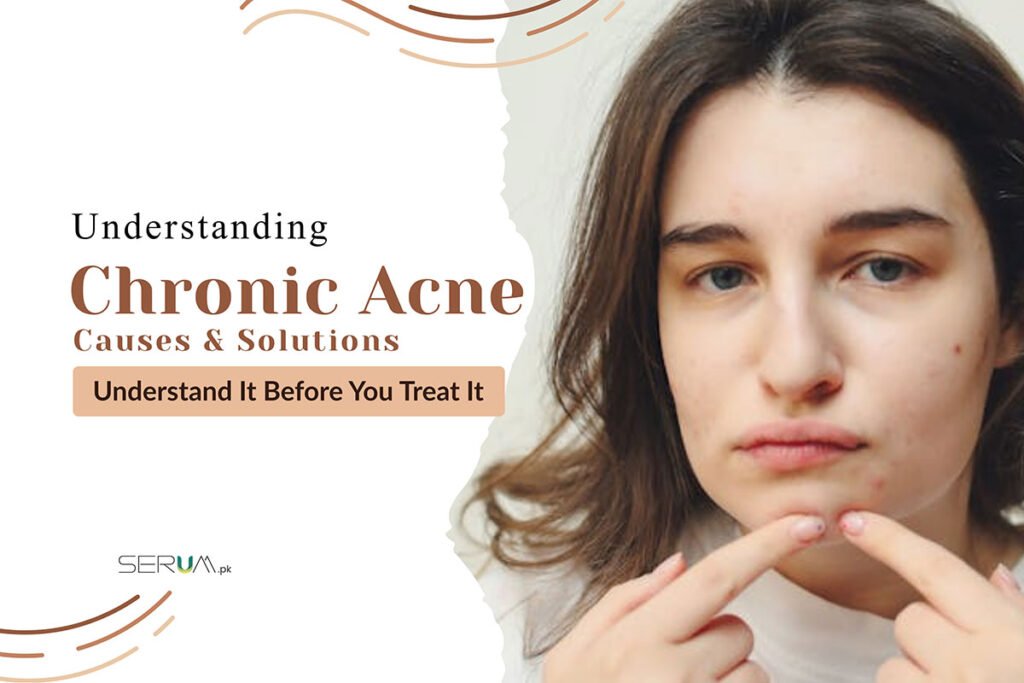
Acne is one of the most common skin problems in the world. In fact, dermatologists say that about 85% of people experience acne at some point in their lives, especially during their teenage years.

But acne isn’t just a teenage issue! Many adults in their 20s, 30s, and even 40s continue to deal with breakouts.

In countries like Pakistan, acne can feel even more difficult to manage. Heat, humidity, sweat, pollution, and stress can all make the skin produce more oil, which increases the chances of clogged pores and breakouts.

Because of this, many people search for solutions like acne treatments, face serums, and skincare routines that actually work.

In this guide, we’ll explain what acne really is, why it happens, the different types of acne, and how you can treat and prevent it safely.

What Is Acne?

Acne is a skin condition that happens when pores become blocked with oil, dead skin cells, and bacteria.
When this blockage occurs, the skin becomes inflamed and forms visible breakouts such as:

  • Pimples
  • Blackheads
  • Whiteheads
  • Painful cysts

Acne usually appears in areas where the skin produces more oil, including the face, chest, back, and shoulders.

One of the main bacteria involved in acne is called Cutibacterium acnes. When pores get clogged, this bacteria multiplies and causes redness, swelling, and inflammation.

For some people, acne is mild, while for others it can become severe and lead to permanent scars.

What Causes Acne?

Acne doesn’t happen for just one reason. Instead, several factors work together to trigger breakouts.

Dermatologists usually explain acne through 4 main causes:

1. Excess Sebum Production

Your skin naturally produces sebum, an oily substance that helps keep it hydrated and protected.

However, when the skin produces too much oil, pores can become clogged more easily. Hormonal changes during puberty, stress, or hormonal imbalance often increase oil production.

Therefore, people with oily skin are more likely to develop acne.

2. Clogged Pores

Your skin constantly sheds dead skin cells.

Normally, these cells fall away naturally, but sometimes they build up inside the pores. When dead skin cells mix with oil, they form a blockage that leads to acne.

3. Acne-Causing Bacteria

When pores become clogged, they create an environment where bacteria can grow.

The bacteria Cutibacterium acnes thrives in these blocked pores, which leads to inflammation and visible pimples.

4. Inflammation

Inflammation is what turns a clogged pore into a red, swollen pimple.

It can become worse due to:

  • Stress
  • Pollution
  • Poor skincare routines
  • Hormonal changes
  • Overusing harsh skincare products

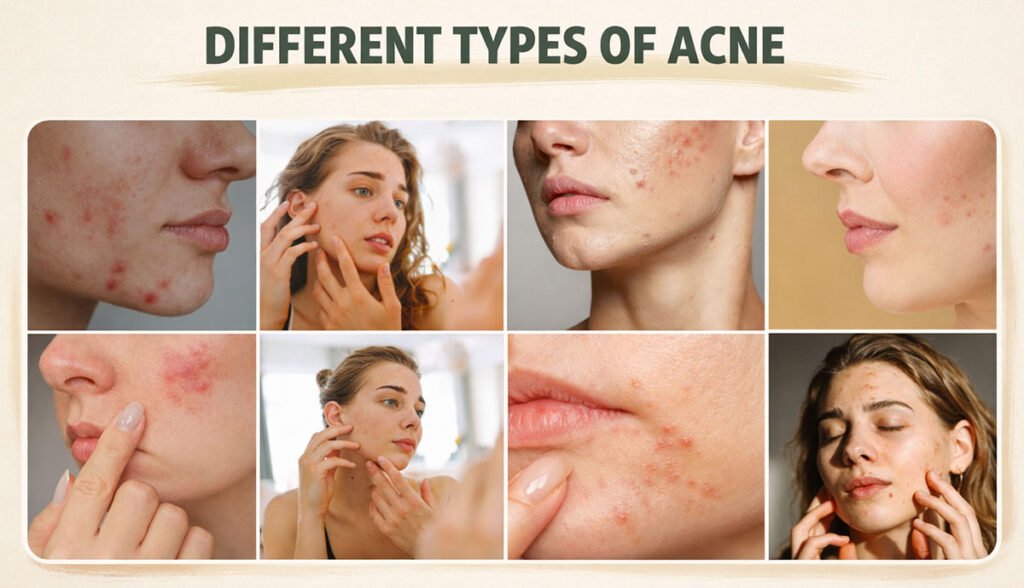
6 Types of Acne

Acne appears in several different forms, depending on how severely pores are blocked and inflamed.

Understanding the type of acne is important for choosing the right treatment:

Blackheads (Open Comedones)

Blackheads occur when clogged pores remain open on the surface of the skin. The dark color isn’t dirt; it’s actually oil that has oxidized after being exposed to air.

Blackheads are very common on the nose and forehead.

Whiteheads (Closed Comedones)

Whiteheads are clogged pores that stay closed beneath the skin. They appear as small white bumps and can be more difficult to remove.

Papules

Papules are small red bumps that form when pores become inflamed. They don’t contain pus but can feel tender to the touch.

Pustules

Pustules are the classic pimples most people recognize. They contain pus and usually appear red and swollen.

Nodules and Cysts

These are the most severe forms of acne.

They develop deep under the skin and can be painful. Cystic acne often requires treatment from a dermatologist and may lead to scars if left untreated.

Apart from basic acne, we also have hormonal acne.

Hormonal Acne

Hormonal acne happens when hormone changes cause the skin to produce more oil. Hormones called androgens stimulate the oil glands in the skin.

Hormonal acne often appears on the:

  • Jawline
  • Chin
  • Lower cheeks

Common triggers include:

  • Puberty
  • Menstrual cycles
  • Pregnancy
  • PCOS
  • Stress

According to the NHS, many adults, especially women, experience hormonal acne even after their teenage years.

Effective Acne Treatments

Treating acne usually requires a combination of the right ingredients and a consistent skincare routine.
Here are some commonly recommended treatments.

Salicylic Acid

Salicylic acid is a beta-hydroxy acid (BHA) that goes into oil-filled pores and dissolves sebum buildup.
It is particularly effective for:

  • Blackheads
  • Whiteheads
  • Mild acne

You can learn more in our guide on Salicylic Acid Benefits & Uses.

Benzoyl Peroxide

Benzoyl peroxide kills acne-causing bacteria and reduces inflammation. It is commonly used for inflammatory acne and pustules.

However, it can cause dryness, so it should be introduced slowly.

Retinoids

Retinoids increase skin cell turnover, preventing clogged pores and improving acne scars over time. Prescription retinoids are often used for moderate to severe acne.

Niacinamide

Niacinamide helps regulate oil production, reduce redness, and strengthen the skin barrier.
Many acne-prone users find Niacinamide serums helpful, because they combine oil control with anti-inflammatory properties.

Hydration and Barrier Repair

Many acne treatments can dry out the skin.
Hydrating ingredients like hyaluronic acid help maintain the skin barrier and reduce irritation.

Our Hyaluronic Acid guide explains how hydration supports acne-prone skin.

Acne Scars: Why Do They Happen?

Acne scars form when inflammation damages deeper layers of the skin.

When the skin heals, collagen production may become uneven, creating visible scars.

Common acne scars include:

  • Ice pick scars
  • Boxcar scars
  • Rolling scars
  • Raised scars

Severe acne increases the risk of permanent scarring. Early treatment helps prevent long-term damage.

Post-Acne Marks vs. Acne Scars

Many people think dark spots after acne are scars, but they are often something different.

Post-Acne Marks

These are called post-inflammatory hyperpigmentation (PIH). They are dark marks left after acne heals and usually fade with time.
Ingredients that help fade these marks include:

True Acne Scars

True scars involve structural damage to the skin and may require treatments like laser therapy or microneedling.

Common Acne Myths

There are many myths about acne that can lead to harmful skincare practices:

Myth: Acne Is Caused by Dirty Skin

Acne is not caused by poor hygiene. In fact, overwashing can actually irritate the skin.

Myth: Sunlight Clears Acne

Sun exposure may temporarily dry pimples, but it increases inflammation and dark spots.

Myth: Toothpaste Treats Pimples

Toothpaste contains ingredients that can irritate the skin barrier. We suggest going for proper acne treatments, as they are always safer.

How is Diet and Acne Connected?

Research by MDPI shows that for some people, diet may influence acne.
Foods that may worsen acne include:

  • Sugary drinks
  • Highly processed carbohydrates
  • Excess dairy

These foods can increase insulin levels, which may lead to higher oil production in the skin.
However, diet alone rarely causes acne by itself.

How to Build an Acne-Friendly Skincare Routine?

A basic skincare routine can make a big difference in controlling breakouts.
A simple routine usually includes:

  1. Gentle cleanser
  2. Targeted acne treatment serum
  3. Lightweight moisturizer
  4. Sunscreen during the day

Avoid using too many strong active ingredients at once, as this can irritate the skin.

Acne Prevention Tips

While acne cannot always be completely prevented, several habits can significantly reduce breakouts:

Maintain a Consistent Routine

Using the same skincare products regularly helps the skin adapt and maintain balance.

Avoid Over-Exfoliation

Too many exfoliating products can damage the skin barrier and trigger more oil production.

Keep Hair and Skin Clean

Oil from hair products can transfer to the face and clog pores.

Protect Skin From Pollution

Air pollution and sweat can mix with sebum and worsen acne, especially in Pakistan’s environment.

Acne Treatment in Pakistan: Choosing the Right Products

In Pakistan, acne treatment can sometimes be difficult because many skincare products sold online are fake, expired, or improperly stored.

Using counterfeit skincare can worsen acne and damage the skin barrier.

That’s why it’s important to buy skincare products from trusted sources.

At Serum.pk, we carefully source products from verified distributors and trusted importers to ensure customers receive authentic skincare products designed to treat acne safely.

Plus, we deliver our products across Pakistan at the lowest delivery charges!

Few Recommended Products

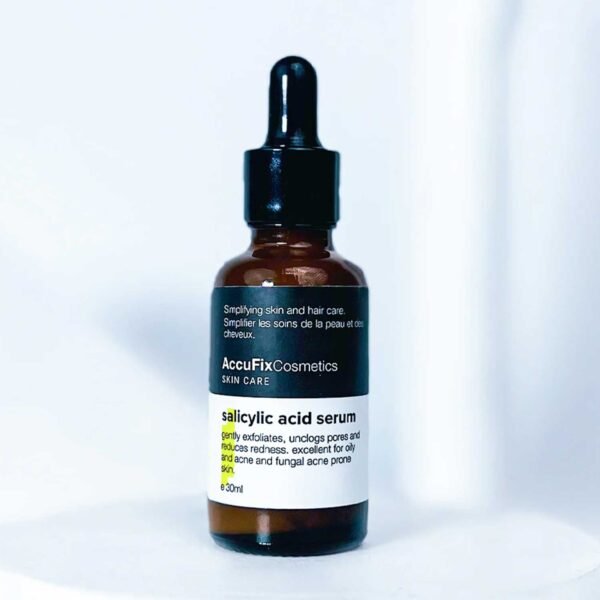
Accufix Salicylic Acid Serum

 2,095
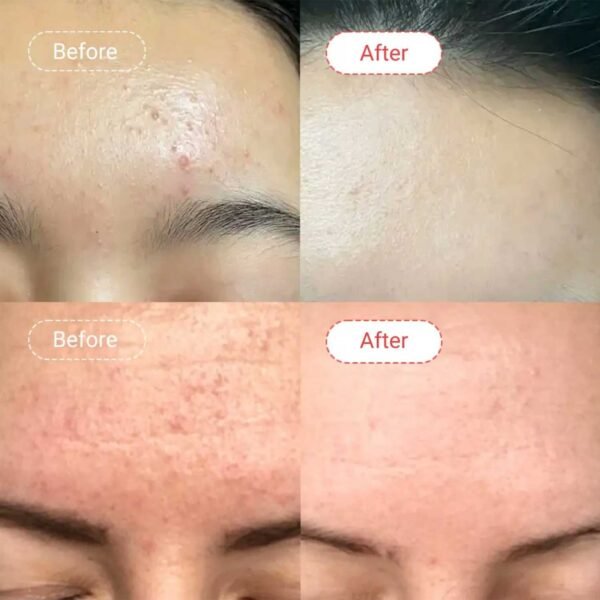
Unclogs pores, fights stubborn acne, breakouts and fungal acne. Improves skin texture.

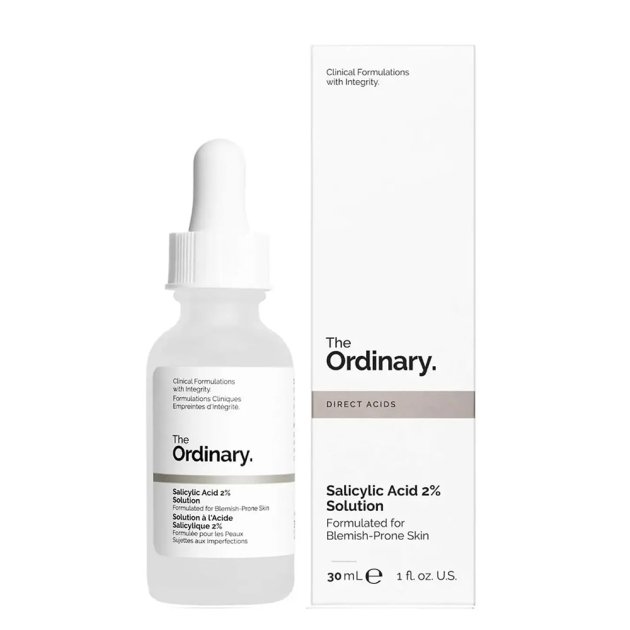
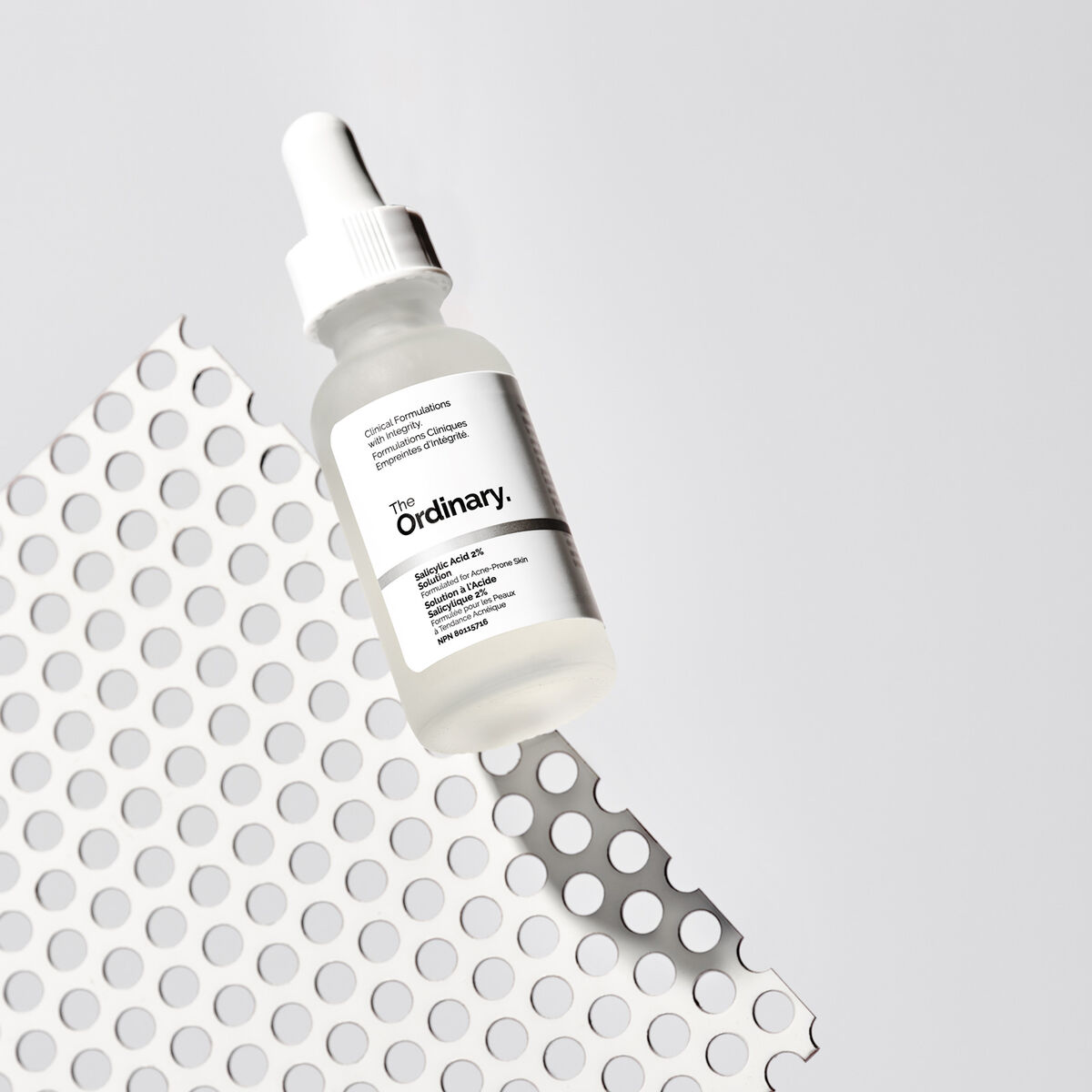
The Ordinary Salicylic Acid Solution Serum

(4)
 3,600
Targets: Acne, blemishes, clogged pores, oily skin, dead skin cells, redness, inflammation, dullness, uneven skin tone, enlarged pores, rough texture

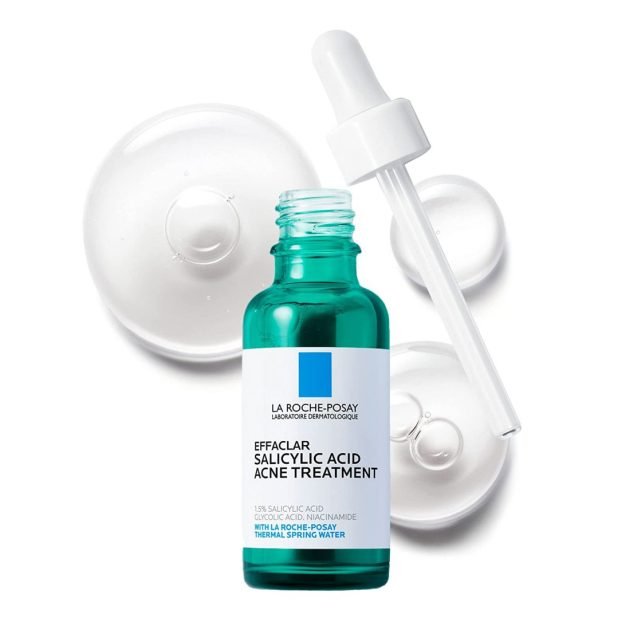
La Roche Posay Salicylic Acid Ance Treatment Serum

(3)
Original price was: ₨ 9,500.Current price is: ₨ 8,500.
Clearer Pores, Fewer Breakouts, Smoother Skin

Frequently Asked Questions (FAQs)

Yes, they can. In fact, adult acne is increasingly common, particularly among women, due to hormonal fluctuations and stress.
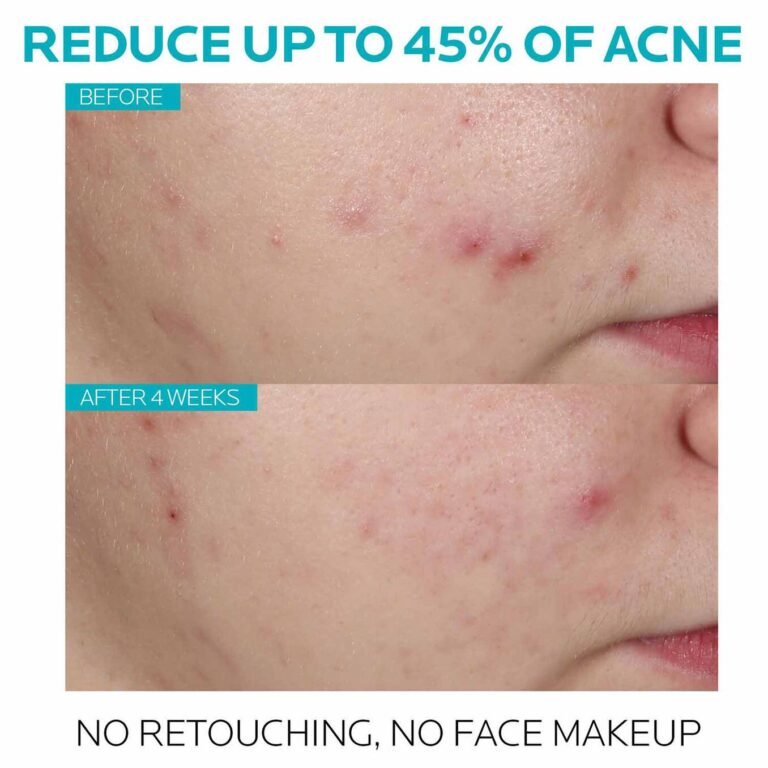
Most treatments take 4 to 8 weeks to show noticeable results because the skin cycle takes about 28 days.
Not necessarily. Acne occurs when oil production combines with dead skin cells and bacteria.
Mild acne can often be controlled with skincare, but severe acne may require dermatologist-prescribed medication.

Final Thoughts

Acne can be frustrating, but it is also very common and treatable.

By understanding what causes acne and how different treatments work, you can build a skincare routine that supports healthier skin.

With patience, the right ingredients, and consistent care, most acne can be improved significantly.

If you're looking for trusted acne-fighting skincare products, you can explore the carefully selected range available at Serum.pk.

Find the right dermatologist-trusted acne treatment products for your skin today!

author-avatar

About Mahrukh Kureshi

As a content and copywriter, I focus on creating helpful, trustworthy content that actually answers what people are searching for. I don't just write; I find out people's pain points and then carry out proper research to give them the solutions they're looking for. As for all the skincare-related content is concerned, it is written in collaboration with certified dermatologists and reviewed by skincare professionals, so the information is always on-point. With so much misinformation and uncited details online, I bring you content grounded in facts, not guesswork!

Leave a Reply

Your email address will not be published. Required fields are marked *