Informational

Why Your Acne Keeps Coming Back And Why Most Treatments Don’t Actually Fix It?

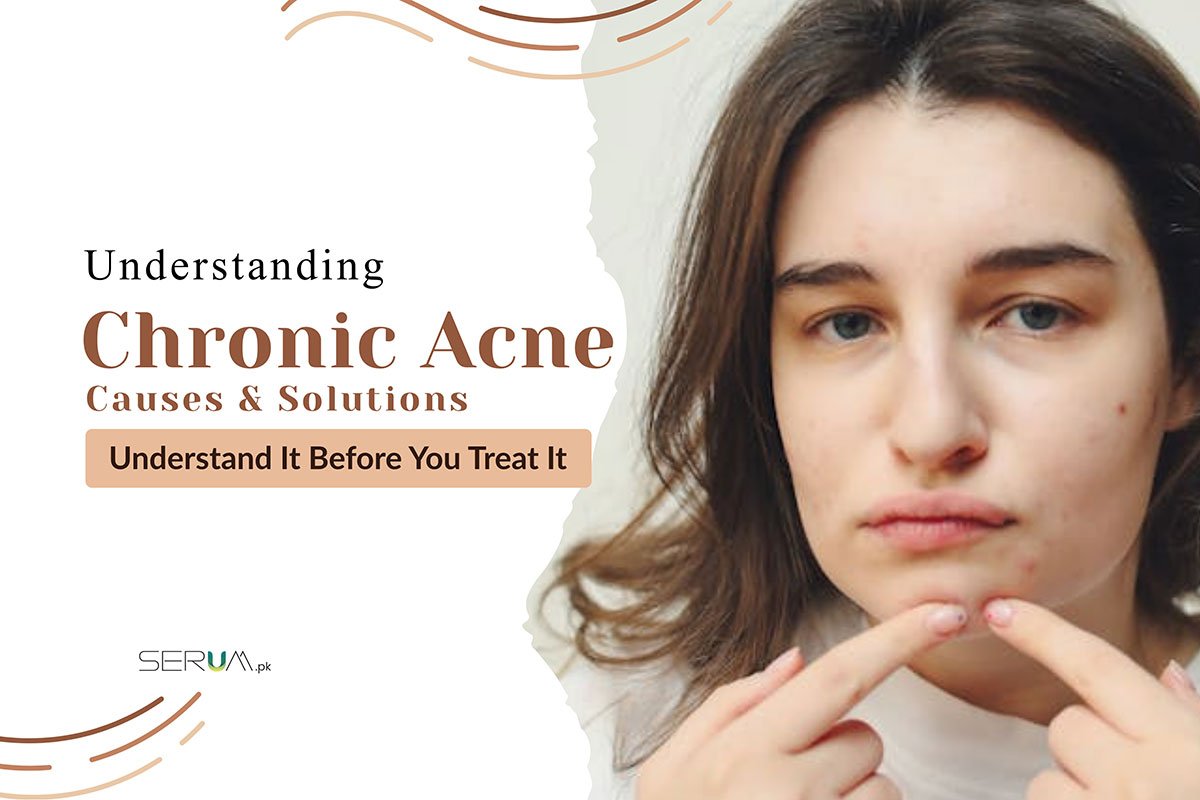
Learn Why Acne Come Back Again

Let’s start with an uncomfortable question:

Have you ever finally cleared your acne… only to see new breakouts appear a few weeks later?

  • You try a face wash
  • Then a spot treatment
  • A quick fix from TikTok
  • Maybe a popular cream someone recommended.

And for a short time, it feels like it’s working.

But the acne always returns!

Which leads to the frustrating thought:

“Why won’t my acne just go away?”

Then starts the never-ending search for:

  • How to get rid of acne?
  • Acne treatment that works
  • Why does my acne keep coming back?

You’ll be surprised to know that about 85% of people experience acne at some point in their lives.

And in countries like Pakistan, the problem can feel even worse.

  • Heat
  • Humidity
  • Sweat
  • Pollution
  • Stress

All of these can increase oil production in the skin and cause clogged pores!

But here’s the important thing most people never learn:

Acne is not just a surface problem!

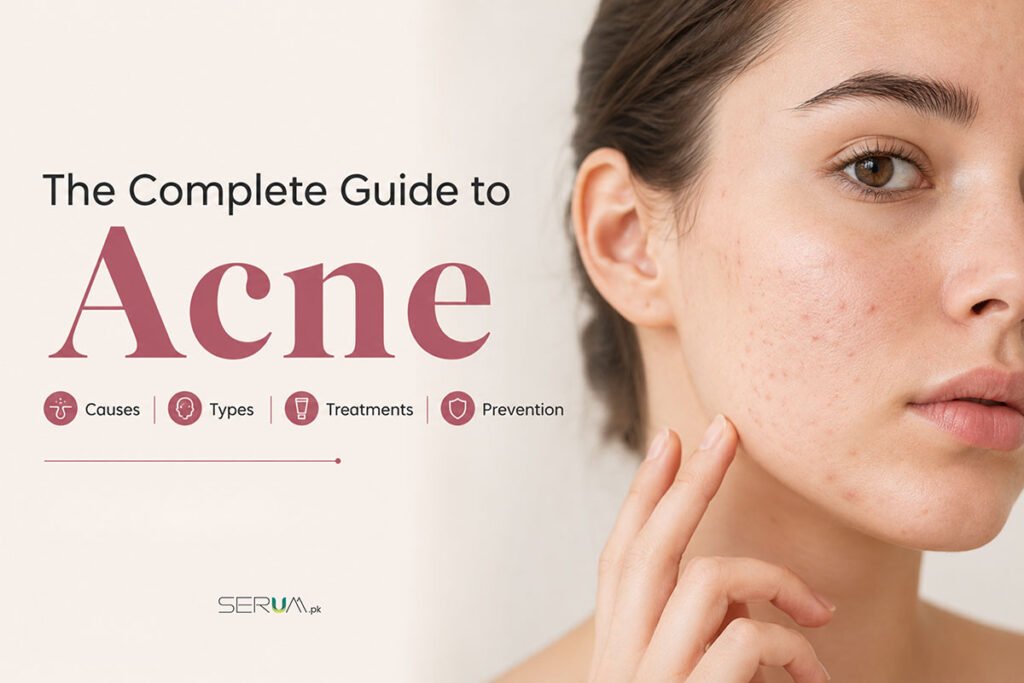
To understand why acne keeps coming back, you first need to understand what it actually is?

What Acne Really Is And Why It Forms?

Acne is not just a cosmetic problem.
It’s actually an inflammatory skin condition that begins inside your pores.

Every pore contains:

  • A hair follicle
  • An oil gland

These glands produce sebum, an oily substance that keeps the skin moisturized.

But when sebum production increases, several things start happening:

➤ Oil builds up inside pores
➤ Dead skin cells accumulate
➤ Pores become clogged
➤ Bacteria called Cutibacterium acnes multiply
➤ The immune system triggers inflammation

This is what eventually turns into visible breakouts like:

  • Blackheads
  • Whiteheads
  • Pimples
  • Cystic acne

In simple terms:

Acne = Oil + clogged pores + bacteria + inflammation

And depending on how severe the blockage becomes, acne can appear in several forms.

The Different Types of Acne

Understanding the type of acne you have is one of the most important steps in treating it properly:

Blackheads

Blackheads occur when clogged pores remain open.
The dark color isn’t dirt; it’s oil that has oxidized after exposure to air. They commonly appear on the nose and forehead.

Whiteheads

Whiteheads are clogged pores that remain closed beneath the skin.
They appear as small white bumps.

Papules

Papules are small red bumps caused by inflamed, clogged pores.
They may feel tender to the touch.

Pustules

These are the classic pimples most people recognize.
They contain pus and appear red and swollen.

Nodules and Cysts

These are deeper and more severe forms of acne. They develop beneath the skin and can be painful.
If untreated, cystic acne may lead to permanent acne scars.

Another extremely common type is hormonal acne.

Hormonal Acne: The Breakouts That Won’t Go Away

Hormonal acne happens when hormone fluctuations stimulate oil glands.
Hormones called androgens increase sebum production.

Hormonal acne usually appears around:

  • The jawline
  • The chin
  • Lower cheeks

Common triggers include:

  • Puberty
  • Menstrual cycles
  • Pregnancy
  • PCOS
  • Chronic stress

This is why many adults, especially women, continue experiencing acne long after their teenage years.

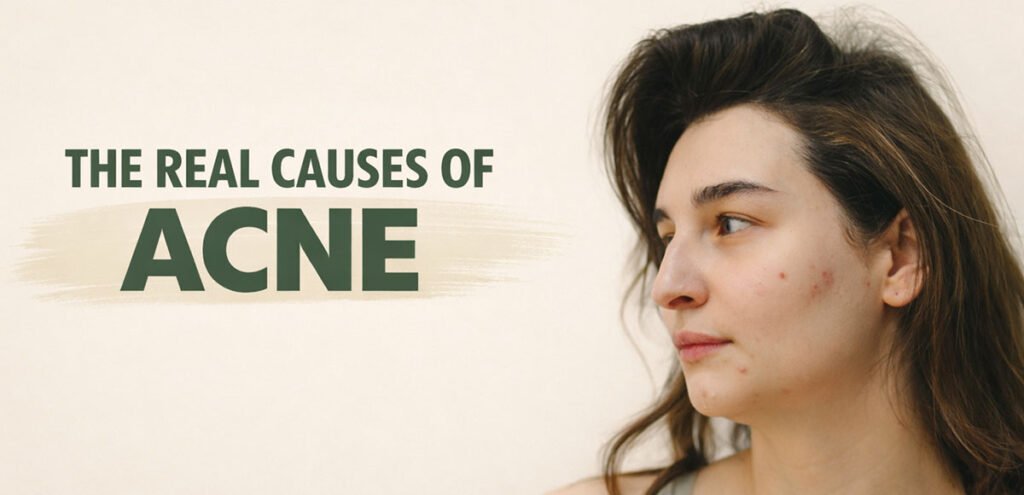
The Real Causes of Acne

According to dermatologists, there are 4 reasons behind acne:

1. Excess Oil (Sebum)

Too much sebum makes pores more likely to clog.
People with oily skin often experience more frequent breakouts.

2. Clogged Pores

Dead skin cells normally shed naturally.
But when they mix with oil inside pores, they create blockages.

3. Bacteria

Once pores are blocked, C. acnes bacteria multiply, which triggers inflammation.

4. Inflammation

Inflammation causes the redness, swelling, and tenderness associated with pimples.

The Acne Mistake Most People Make

Most acne treatments focus on drying out the skin.

At first, this seems helpful, but the skin reacts by producing even more oil to compensate.
Which means:

  • More clogged pores
  • More breakouts

Another common mistake is damaging the skin barrier with harsh alcohol‑based products.

When the skin barrier becomes irritated, inflammation increases, making acne harder to control.

That’s why dermatologists increasingly recommend ingredient‑focused acne treatments instead of aggressive products.

Ingredients That Actually Help Acne

Certain ingredients consistently appear in dermatology‑recommended treatments because they target acne at its root:

✅ Salicylic Acid: Goes deep into pores and helps dissolve excess oil, removing blackheads, whiteheads, and clogged pores.

✅ Benzoyl Peroxide: Kills acne‑causing bacteria and reduces inflammation.

✅ Niacinamide: Helps regulate oil production, calm redness, and support the skin barrier.

✅ Retinoids: Increase skin cell turnover and help prevent clogged pores.

✅ Hydrating Ingredients: Many acne treatments dry out the skin. Ingredients like hyaluronic acid help maintain hydration and reduce irritation.

The Smarter Way to Treat Acne

Instead of harsh treatments that strip the skin, dermatologists now recommend targeted acne treatment serums.

These serums are designed to:

✔ Unclog pores
✔ Control oil production
✔ Reduce inflammation
✔ Support the skin barrier

One example is the La Roche-Posay Salicylic Acid Acne Treatment Serum.
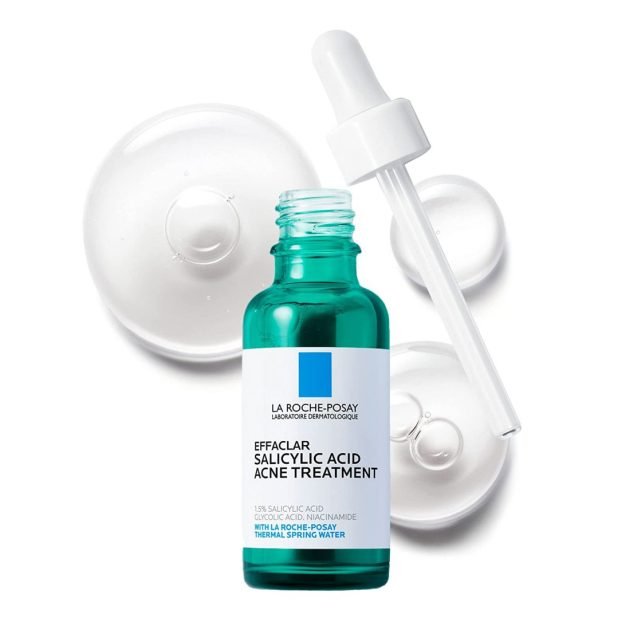
La Roche Posay Salicylic Acid Ance Treatment Serum

(3)
Original price was: ₨ 9,500.Current price is: ₨ 8,500.
Clearer Pores, Fewer Breakouts, Smoother Skin

This serum is formulated specifically for acne‑prone skin and helps:

  • Clear clogged pores
  • Reduce breakouts
  • Smooth uneven skin texture
  • Improve the appearance of acne marks

Because the formula is lightweight and non‑comedogenic, it won’t clog pores.

Get it at a 11% discounted price only on Serum.pk!

However, if you want a local option, try out Accufix Salicylic Acid Serum, which focuses on oil control and deep pore cleansing.
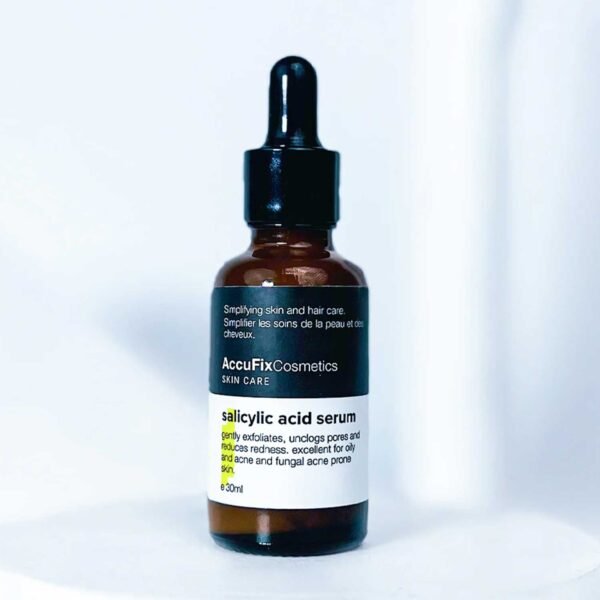
Accufix Salicylic Acid Serum

 2,095
Unclogs pores, fights stubborn acne, breakouts and fungal acne. Improves skin texture.

Both are designed to target acne at the source rather than just drying out the skin!

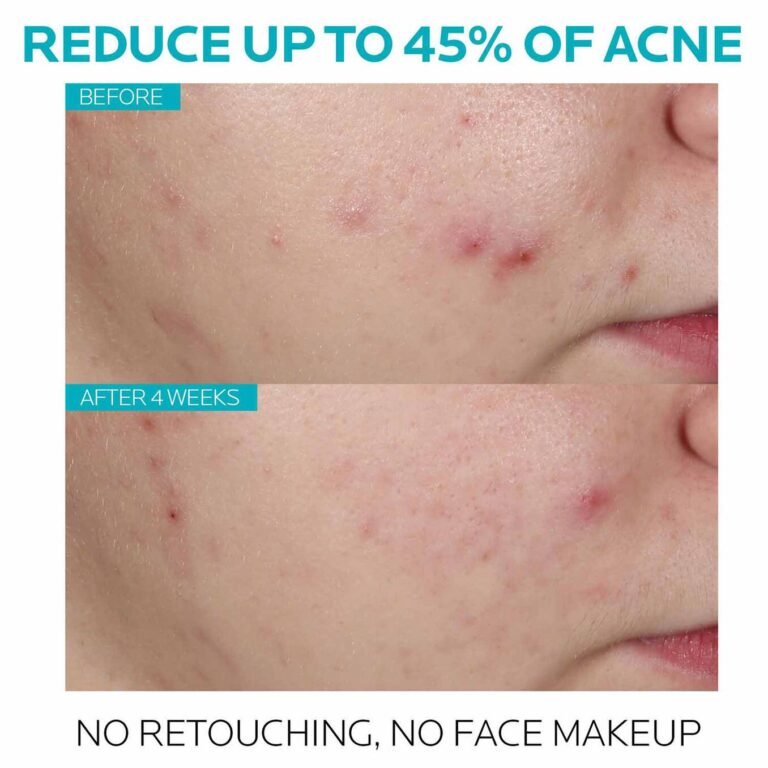
What People Often Notice After Using Targeted Acne Serums?

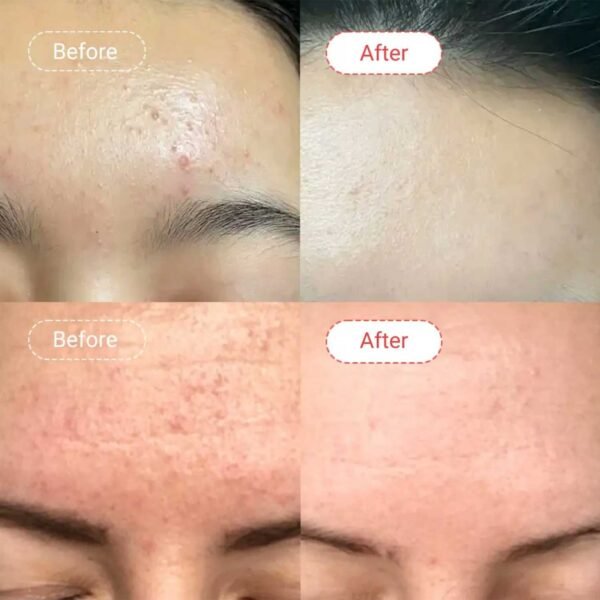
Many users report that after several weeks of consistent use:

  • Breakouts appear less frequently
  • Pores look clearer
  • Skin texture becomes smoother
  • Acne marks fade gradually

Of course, acne treatment takes time.

But consistency with the right ingredients makes a noticeable difference.

⭐ “Love anything from La Roche! Great product, little to no scent, goes on very thin and non-sticky. Saw improvement in skin appearance within days. Make sure to pair with a moisturizer, as it will cause dryness,” says Lydia.

⭐ “I am giving my review after using it. It has been almost a month since I started using this serum, and the results are good,” says a customer from Daraz.pk.

⭐ “A friend came up to me today and told me that my face looks much clearer, and she sees my acne spots have faded away on my forehead. After comparing pictures of me from months ago and now, I see a complete difference. I also see a huge reduction in pimples I get daily. So, I HIGHLY recommend it!” says a user on Reddit.

How Long Does Acne Treatment Take?

Many people expect instant results.

But acne treatments typically require patience.

Dermatologists usually recommend giving treatments 4 to 8 weeks before expecting visible improvement.

This is because the skin renewal cycle takes about 28 days.

Consistency matters more than switching products frequently!

When Should You See a Dermatologist?

Some cases of acne require professional care.

You should consider seeing a dermatologist if you experience:

  • Painful cystic acne
  • Severe acne scars
  • Persistent adult acne
  • Deep nodules that do not heal

Early treatment can prevent permanent scarring.

The Bottom Line

Acne can be frustrating, but it is also extremely common and treatable!

The key is understanding what actually causes it.

Most breakouts happen due to a combination of:

  • Excess oil
  • Clogged pores
  • Bacteria
  • Inflammation

When treatment targets these causes together, improvement becomes much more likely.

If you're exploring dermatologist‑trusted acne treatments, you can learn more about options like:

La Roche-Posay Salicylic Acid Acne Treatment Serum

OR

Accufix Salicylic Acid Serum

Start by identifying your acne type. Then choose treatment based on the cause, not just the hype.

Because clearer skin usually begins with the right strategy!

author-avatar

About Mahrukh Kureshi

As a content and copywriter, I focus on creating helpful, trustworthy content that actually answers what people are searching for. I don't just write; I find out people's pain points and then carry out proper research to give them the solutions they're looking for. As for all the skincare-related content is concerned, it is written in collaboration with certified dermatologists and reviewed by skincare professionals, so the information is always on-point. With so much misinformation and uncited details online, I bring you content grounded in facts, not guesswork!

Leave a Reply

Your email address will not be published. Required fields are marked *